When you are moving overseas from Ireland, the way your belongings travel can make a big difference to the cost, timing and overall plan.
Some shipments are small and time sensitive. Others involve furniture, boxes and the contents of a home. The right option will depend on how much you are sending, what you need soon after arrival and how flexible your dates are.
The main choices are usually air freight, shared container shipping and full container shipping. Each one works for a different type of move, so it is worth understanding the difference before making a decision.
Why the Shipping Method Matters
The option you choose affects the cost, timescale, packing requirements and delivery plan for your overseas removals from Ireland.
A small shipment of personal items will not need the same service as a full household move. A person moving ahead for work may want a few boxes or personal items sent quickly. A family moving long term may need a larger sea freight shipment for furniture and household goods.
It is useful to decide on the service before the packing starts. It gives you a clearer idea of what should travel first, what can wait and what paperwork may be needed before the shipment leaves Ireland.
Air Freight for Urgent Items
Air freight is generally used when certain belongings need to arrive quickly. It is often chosen for items that would be difficult to do without while waiting for the main shipment.
This can be useful for:

Air freight is usually best for smaller volumes where speed matters more than cost. It is not normally the most practical option for large furniture or the full contents of a home.
Many people use air freight alongside sea freight. For longer distance relocations, such as moving to Australia, they may send essential items by air and allow the rest of their belongings to follow by container.
Shared Container Shipping for Smaller Moves
Shared container shipping, sometimes called groupage or part load shipping, can be a good option when you are moving more than suitcases but do not need a full container.
Your goods travel in a container with other customers’ shipments going to the same country or region. This can make it a practical option for smaller or medium sized overseas moves.
Shared container shipping may suit people who are moving:
This option can also suit customers moving to the UAE with boxes, personal belongings or selected furniture rather than the contents of a full home.
Shared container shipping usually works best when you have some flexibility around timing. Because shipments are grouped together, the schedule can depend on container availability, routing and the destination.
Full Container Shipping for Larger Moves
A full container load is usually better suited to larger overseas moves. This may include the contents of a family home, a large apartment or a substantial volume of furniture and boxes.
With this option, the container is used for your shipment rather than shared with other customers. It can be a good choice when you are moving long term and want to send most of your household belongings together.
A full container may be suitable if you are moving:
It can also give the move a clearer structure when most of the items are travelling together. This can be especially useful for customers moving to the USA with furniture, boxes and household goods that need to travel together.
How to Choose the Right Option
Before choosing how to ship your belongings, it helps to look at the size of the move, the destination and the items you will need first.
A few urgent boxes may suit air freight. A smaller household shipment may be better suited to shared container shipping. A larger move will usually need more space, which is where a full container may be more suitable.
If you will need certain items soon after landing, it may be worth separating them from the rest of the shipment. Clothes, documents, work items and children’s essentials may need to travel faster than furniture or general household goods.

Packing for an Overseas Move
Overseas packing needs more preparation than a short distance move. Goods may travel by road, sea or air, and they may be handled at different points before reaching the final address.
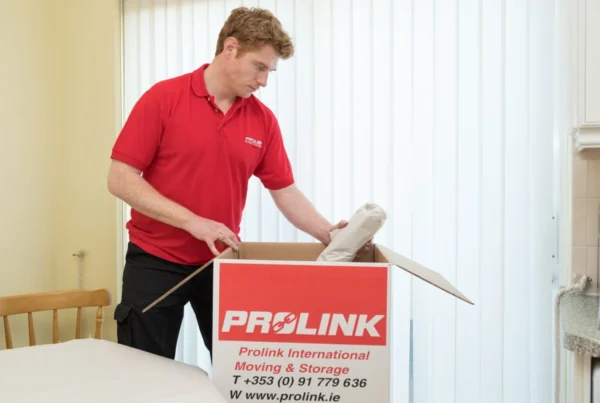
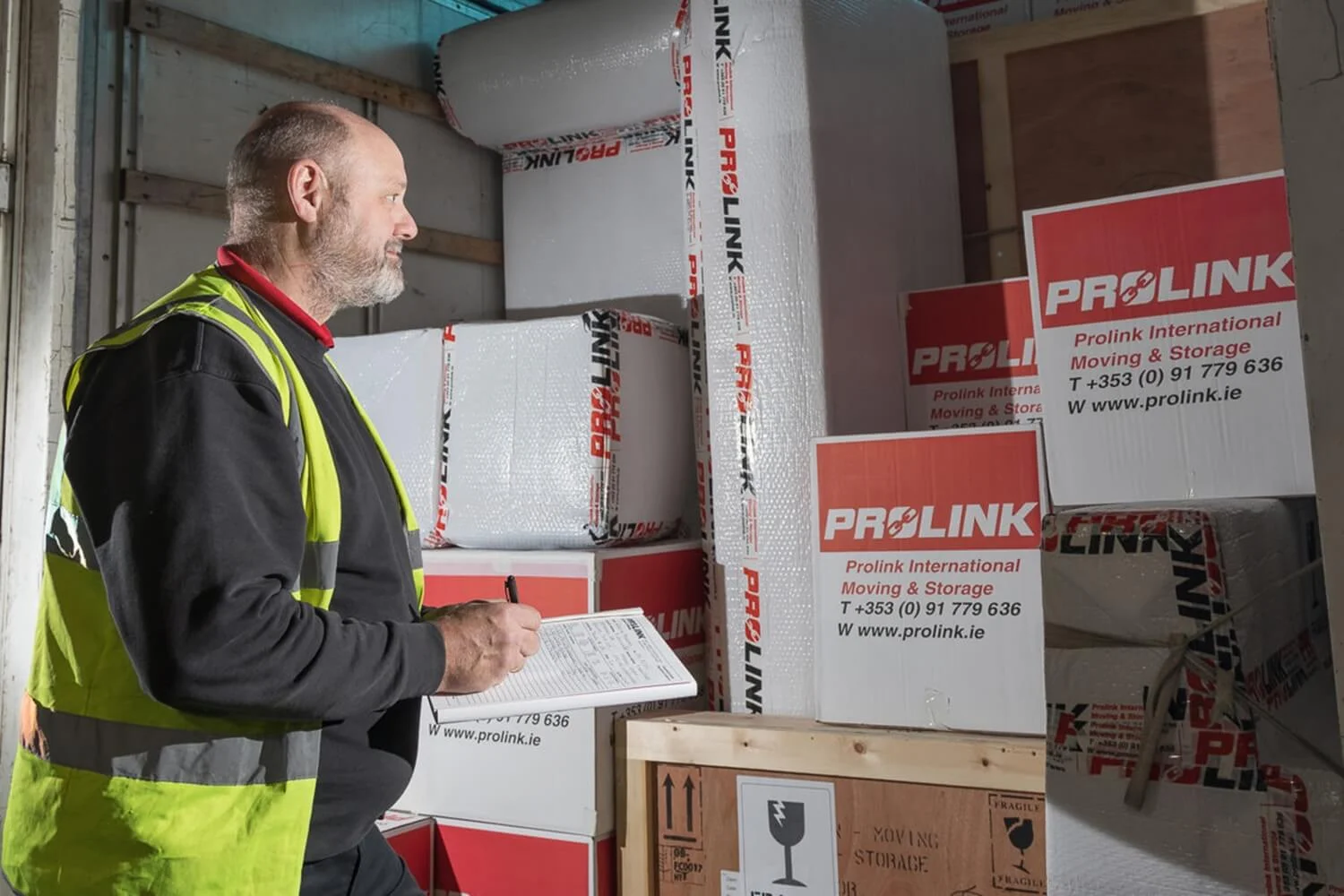
Furniture, fragile items and boxes should be packed in a way that suits international transport. This can include export wrapping, strong packing materials, clear labelling and secure loading.
For sea freight, belongings may be in transit for several weeks. A clear inventory and well packed goods can also make customs checks easier to deal with.
If you are packing some items yourself, it is worth using suitable packing materials for boxes, fragile items and household goods before collection.
Customs and Paperwork
Every overseas move involves some level of paperwork.
The documents required will depend on where you are moving, what you are sending and how the goods are being shipped. Some destinations may ask for customs forms, inventories, passport details, proof of residence or other supporting documents.
Leaving this until the last minute can cause problems when the shipment reaches the destination country. It is better to know what is required before the goods are collected.
A move coordinator can explain the paperwork, help you prepare the correct information and keep the process organised before shipping begins.
What Happens at the Destination
Your move is not finished once the shipment leaves Ireland. When the goods arrive overseas, they may need to go through customs before delivery can be arranged.
The final stage can include delivery to the new address, unpacking and removal of packing materials, depending on the service chosen.
Access at the destination can also affect the delivery plan. Apartments, rural homes, gated properties or addresses with narrow access may need to be reviewed before the delivery date.
The more detail you can provide in advance, the easier it is to plan this part of the move properly.
Can You Use More Than One Shipping Option?
Yes. Some overseas moves work better when more than one shipping option is used.
For example, essential items can be sent by air freight, while furniture and other household goods travel by sea. This can work well if you are starting a new job, moving with children or need certain belongings before the main shipment arrives.
Using more than one option can make the move more practical. It means you do not have to send everything by the fastest route, but you still have the items you need when you first arrive.

Planning Your Overseas Move
It is worth reviewing your shipping options before packing begins.
A removals company can look at the inventory, destination, moving dates and access details before advising on a suitable service. This helps you choose the right amount of space and a timescale that fits the move.
A small shipment, a part load and a full home move all need different planning. The right option should reflect what you are sending, where it is going and what you will need when you arrive.
Need Help Choosing the Right Overseas Moving Option?
Prolink can support overseas removals from Ireland, with options including air freight, shared container shipping, full container loads, packing, customs support and destination services.
If you are organising an overseas move, our team can review your shipment, destination, dates and arrival plans before advising on the option that best fits your relocation.